
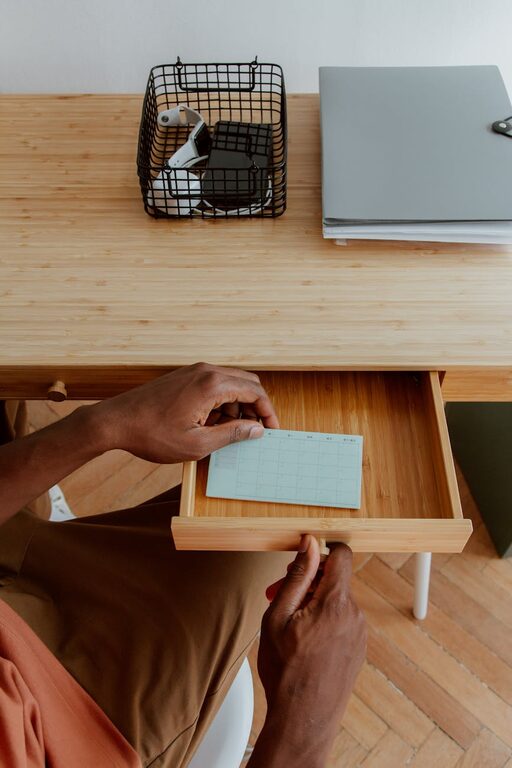
Managing paper clutter is a common challenge in many households. With bills, receipts, mail, school notices, and other documents piling up, it’s easy for paper to create chaos on desks, countertops, and drawers. Fortunately, you don’t need to spend hours sorting or spend money on fancy organizers to get paper clutter under control. This blog post shares simple, practical ways to reduce household paper clutter and maintain a tidier home.
Why Reducing Paper Clutter Matters
Before diving into tips, it’s helpful to understand why reducing paper clutter benefits your home life:
– Saves time: Less time searching through piles means more time for important tasks.
– Reduces stress: A clean, clear space promotes calm and focus.
– Prevents lost documents: Important papers are easier to find when well-organized.
– Creates space: Clearing excess paper frees up valuable surfaces and storage.
– Supports eco-friendly habits: Managing paper promotes mindful consumption and recycling.
Step 1: Sort and Purge Regularly
Start by assessing the story of all the paper in your home. Set aside some time to go through it with these steps:
Create Three Piles:
– Keep: Essential documents like tax forms, warranties, or school records.
– Recycle: Junk mail, outdated flyers, and things you won’t need again.
– Shred: Documents with sensitive information such as bank statements or medical records.
Establishing a habit of monthly or quarterly sorting prevents a mountain from forming.
Step 2: Create a Paper Management System
Having a dedicated system to handle incoming and outgoing papers makes a big difference. Here are ideas to try:
Incoming Paper Station
– Use a simple tray or basket for mail, school papers, or receipts.
– Check this station daily or every couple of days to prevent overflow.
Filing System
– Set up folders or accordion files labeled clearly: Bills, Medical, Home, Kids, Receipts, etc.
– Keep the system accessible, but out of the way to avoid clutter buildup.
Action Folder
– Use one folder or a clip for urgent items needing attention: bills to pay, forms to sign, etc.
– Aim to clear this folder weekly.
Step 3: Go Digital When Possible
Transitioning from paper to digital can greatly reduce clutter:
– Opt for electronic billing and statements: Many companies offer emails instead of mailed paper.
– Scan and store documents: Use your phone or a scanner app to digitize important paper documents.
– Organize digital files with folders and backup regularly for easy access.
Digital copies reduce the need to keep every physical paper and add security.
Step 4: Limit Incoming Paper
Controlling what enters your home can prevent buildup.
– Unsubscribe from junk mail and catalogs: Visit websites like catalogs.com or DMAchoice.org to reduce unwanted mail.
– Go paperless with subscriptions and services: Turn off paper options for newspapers, newsletters, and billing.
– Set mail expectations: Inform family members or roommates about changes in your paper habits.
The less paper arriving, the less you’ll need to manage.
Step 5: Use Smart Storage Solutions
When paper must be kept, managing storage cleverly helps keep clutter hidden and tidy.
Desk Organizers and File Holders
Keep folders vertical and easy to access in organizers. Label them to help family members return papers correctly.
Shallow Bins or Boxes
Perfect for items like coupons, recipes, or schoolwork to keep them contained without overwhelming the space.
Wall Organizers and Clipboards
These can visually organize important current papers without stacking piles.
Step 6: Handle Paper Daily
A few minutes a day can prevent mountain building:
– Sort mail immediately upon arrival.
– File or discard flyers and papers after reading.
– Review the action folder regularly.
These small habits reduce accumulation over time.
Step 7: Repurpose or Reuse Paper
Before discarding, consider if paper can serve another purpose:
– Use scrap paper for notes, grocery lists, or kids’ doodles.
– Create DIY envelopes or bookmarks from old magazines or cards.
– Use both sides of paper before recycling.
This reduces waste and gets creative use from some paper before it goes.
Final Thoughts
Reducing household paper clutter doesn’t have to feel overwhelming. With a few simple habits and systems, you can maintain a neater home environment while saving time and stress. Remember, the key is consistency—make sorting part of your routine and embrace digital options whenever possible. Create a paper flow that works for your family’s lifestyle and enjoy the calm that comes with organized spaces.
Try out these tips gradually and adjust what fits best for your household. You’ll be surprised how much more peaceful your home feels without that extra paper chaos. Happy organizing!