
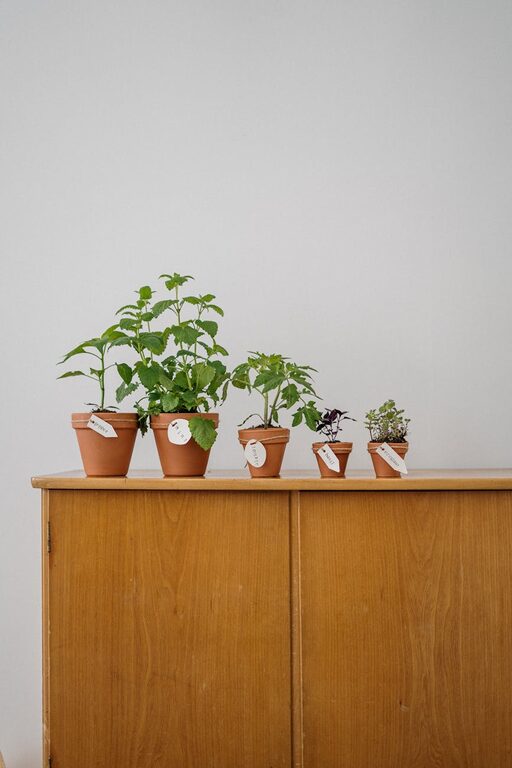
Growing your own fresh herbs indoors is a rewarding and practical way to enhance your meals and bring a touch of nature into your home. Whether you have a spacious kitchen windowsill or a small corner in your apartment, starting a small herb garden is easier than you might think. This guide will walk you through everything you need to know to successfully grow herbs indoors, from choosing the right plants to caring for them day-to-day.
Why Start an Indoor Herb Garden?
Herbs grown at home offer many benefits. Fresh herbs add vibrant flavors and aromas to your cooking, often making dishes healthier and tastier. Indoor herb gardens are accessible year-round, so you can enjoy fresh leaves without worrying about seasonal changes. They’re also a great way to add greenery to your living space, improving air quality and creating a cozy atmosphere.
Choosing the Right Herbs for Indoor Gardening
Not all herbs thrive indoors, so it’s important to pick varieties suited for indoor conditions. Here are some of the best herbs for beginners:
– Basil: Loves warmth and plenty of sunlight; great for Italian dishes.
– Parsley: Tolerates indirect light and moderate watering.
– Chives: Easy to grow, tolerates some shade.
– Mint: Vigorous grower, but keep it in its own pot to prevent spreading.
– Thyme: Prefers drier soil and light; adds earthy flavors.
– Cilantro: Needs cooler temperatures and bright light.
– Oregano: Hardy and low maintenance with adequate sunlight.
Select a few herbs you enjoy cooking with and that match your home’s lighting conditions.
Preparing Your Indoor Garden Space
Find the Perfect Spot
Most herbs need at least 6 hours of sunlight daily to flourish. South-facing windows are ideal, but east or west-facing windows can also work. If natural light is limited, consider using a grow light designed for plants.
Choose Containers and Soil
Use containers with good drainage holes to prevent waterlogging. You can select traditional pots, window boxes, or even recycled containers. Choose a light, well-draining potting mix made for indoor plants or herbs specifically.
Additional Supplies
– Small watering can or spray bottle
– Plant labels or markers
– Fertilizer formulated for herbs or vegetables (optional)
Step-by-Step Guide to Starting Your Herb Garden
1. Select Seeds or Starter Plants
You can start herbs from seeds or purchase young plants from a garden center. Seedlings generally grow faster and are easier for beginners.
2. Planting
– Fill containers with potting mix, leaving about an inch of space at the top.
– If using seeds, follow packet instructions on how deep to plant.
– For starter plants, gently loosen roots and place them in the soil, then cover and press lightly.
– Water thoroughly after planting.
3. Providing Proper Lighting
Place your herb pots near your chosen light source. Rotate containers regularly to encourage even growth. If using artificial light, set it on a timer for about 12-16 hours a day.
4. Watering Routine
Herbs prefer evenly moist soil but don’t like to sit in water. Check soil moisture a few times a week by inserting your finger about an inch deep. Water when the top soil feels dry.
5. Fertilizing
Feed your herbs every 4-6 weeks with a balanced, water-soluble fertilizer diluted to half strength. Over-fertilizing can reduce flavor intensity, so less is more.
Caring for Your Indoor Herbs
Pruning and Harvesting
Regular trimming encourages bushier growth and prevents your herbs from becoming leggy. Snip leaves from the top, leaving at least two-thirds of the plant intact. Use fresh herbs promptly for best flavor.
Monitoring for Pests and Problems
Indoor herbs are generally low-maintenance, but watch out for:
– Yellow or wilting leaves, often caused by overwatering.
– Small insects like aphids or spider mites; wipe leaves with a damp cloth or use insecticidal soap if needed.
Repotting
If roots outgrow the container or growth slows, consider repotting into a slightly larger pot with fresh soil.
Tips for Success
– Avoid extreme temperature changes; most herbs like 65-75°F.
– Good air circulation prevents mold and mildew.
– Group plants with similar water and light needs together.
– Try growing herbs in water (hydroponics) for a no-soil alternative.
Using Your Homegrown Herbs
Fresh herbs can be used in recipes, as garnishes, or even in homemade teas and infusions. Some herbs also make wonderful natural air fresheners when placed in living areas.
—
Starting a small indoor herb garden doesn’t require a green thumb—just a little patience, the right environment, and routine care. With these simple steps, you’ll be harvesting fresh, flavorful herbs right from your windowsill in no time. Happy gardening!